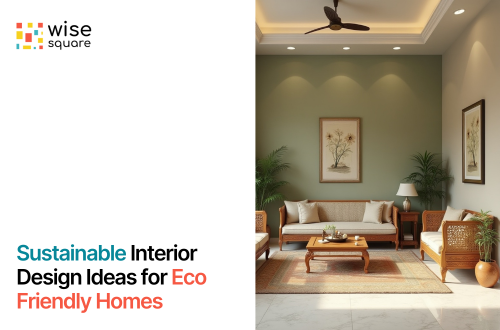
Sustainable Interior Design Ideas for Eco-Friendly Homes
Design Smarter, Live Greener
Creating an eco-friendly home doesn’t require sacrificing style. Sustainable interior design blends beauty with responsibility — reducing waste, saving energy, and improving indoor health. Wise Square helps homeowners choose sustainable materials, efficient layouts, and long-lasting finishes that minimise environmental impact while enhancing comfort and value.
1. Start with Passive Design Principles
Passive design reduces energy needs by using the building’s orientation, natural ventilation, daylighting, and thermal mass. Before picking materials or finishes, consider:
- Orientation: Position living spaces to maximise natural light and cross-ventilation.
- Window placement: Use properly sized and shaded windows to control heat gain and glare.
- Thermal mass: Use exposed concrete or stone where appropriate to stabilise indoor temperatures.
- Insulation: Invest in good roof and wall insulation to reduce cooling and heating loads.
Wise Tip: Passive measures often deliver the biggest long-term savings because they reduce the need for mechanical systems.
2. Choose Low-Impact, Durable Materials
Material choice drives both environmental impact and longevity. Prioritise:
- Certified timber (FSC or equivalent) or reclaimed wood for furniture and flooring.
- Low-VOC paints and adhesives to improve indoor air quality.
- Recycled or upcycled materials such as reclaimed bricks, recycled glass tiles, and composite countertops.
- Natural fibres like jute, sisal, or organic cotton for rugs, curtains, and upholstery.
Durability matters as much as sustainability. A long-lasting material reduces replacement cycles and waste.
3. Prioritise Energy-Efficient Lighting & Appliances
Switch to energy-efficient lighting and appliances to cut electricity use significantly:
- Use LED fixtures with good color rendering (CRI) for comfortable interiors.
- Choose energy-rated appliances and fans with high efficiency labels.
- Install smart switches, dimmers, and occupancy sensors to avoid wasted energy.
Consider integrating natural light with layered artificial lighting to reduce reliance on artificial sources during the day.
4. Water Conservation Strategies
Water is a scarce resource in many Indian cities. Design interiors to use water wisely:
- Install low-flow fittings, aerators, and dual-flush cisterns.
- Choose efficient showerheads and pressure-optimised plumbing layouts.
- Reuse greywater for gardening where local regulations permit.
- Consider sensor-based faucets in kitchens and utility areas to reduce wastage.
5. Embrace Modular and Flexible Design
Modularity extends a space’s life and reduces waste. Design furniture and layouts that adapt as needs change:
- Modular kitchens and wardrobes that can be reconfigured rather than replaced.
- Multi-functional furniture—sofas with storage, foldable tables, and convertible beds.
- Standardised components that allow easy repair or upgrade.
Wise Tip: Designing for adaptability reduces refurbishment waste and keeps interiors relevant longer.
6. Improve Indoor Air Quality
Healthy indoor air is central to sustainable design. Use materials and systems that minimise pollutants:
- Low-VOC or water-based paints and sealants.
- Natural ventilation strategies and mechanical ventilation with heat recovery where needed.
- Indoor plants as complementary air purifiers and humidity balancers.
- Properly specified HVAC filters and regular maintenance.
7. Source Local and Ethically Made Products
Local sourcing reduces transport emissions and supports local crafts. Consider:
- Regionally manufactured tiles, fabrics, and furniture.
- Handmade textiles and artisanal finishes that have lower embodied energy.
- Vendors with transparent supply chains and fair labour practices.
8. Integrate Biophilic Elements
Biophilia strengthens the connection to nature and improves wellbeing. Simple ways to add biophilic design:
- Maximise daylight and views to greenery.
- Use natural materials, textures, and colours inspired by nature.
- Create indoor green corners, vertical gardens, or terrace planters.
9. Minimise Waste with Smart Procurement
Reduce waste at design and execution stages:
- Order materials with accurate takeoffs to avoid excess.
- Reuse demolition material where feasible and separate waste streams on-site.
- Choose suppliers who take back packaging or unsold overstock.
10. Validate with Certifications and Performance Metrics
Wherever possible, use recognised certifications and measurable targets:
- Look for product certifications (e.g., low VOC, FSC timber).
- Set energy and water reduction targets for your project.
- Monitor performance after handover to ensure the design delivers intended savings.
Practical Sustainable Design Ideas (Room-wise)
- Living Room: Use reclaimed wood furniture, layered LED lighting, and natural textiles.
- Kitchen: Choose durable, recyclable countertops, efficient chimneys, and water-saving fixtures.
- Bathroom: Install dual-flush toilets, low-flow showers, and moisture-resistant materials.
- Bedroom: Opt for natural fibre bedding, breathable paints, and blackout solutions that reduce cooling needs.
Budgeting for Sustainability
Sustainable choices sometimes cost more upfront but pay back through lower operating costs, extended lifespan, and higher resale value. Prioritise interventions with the best return on investment:
- Insulation and passive design measures
- Energy-efficient lighting and appliances
- Durable, low-maintenance finishes
Common Pitfalls to Avoid
- Greenwashing—choosing products that claim sustainability without proof.
- Poor installation—sustainable products still need correct detailing and application.
- Ignoring maintenance—failure to maintain systems reduces their efficiency over time.
Why Choose Wise Square for Sustainable Interiors
At Wise Square, we combine design sensibility with sustainability expertise. We help you set priorities, select certified materials, and create interiors that reduce environmental impact while remaining beautiful, functional, and durable.
Plan your eco-friendly home with Wise Square — sustainable designs that look great and last longer. Contact us for a consultation.